
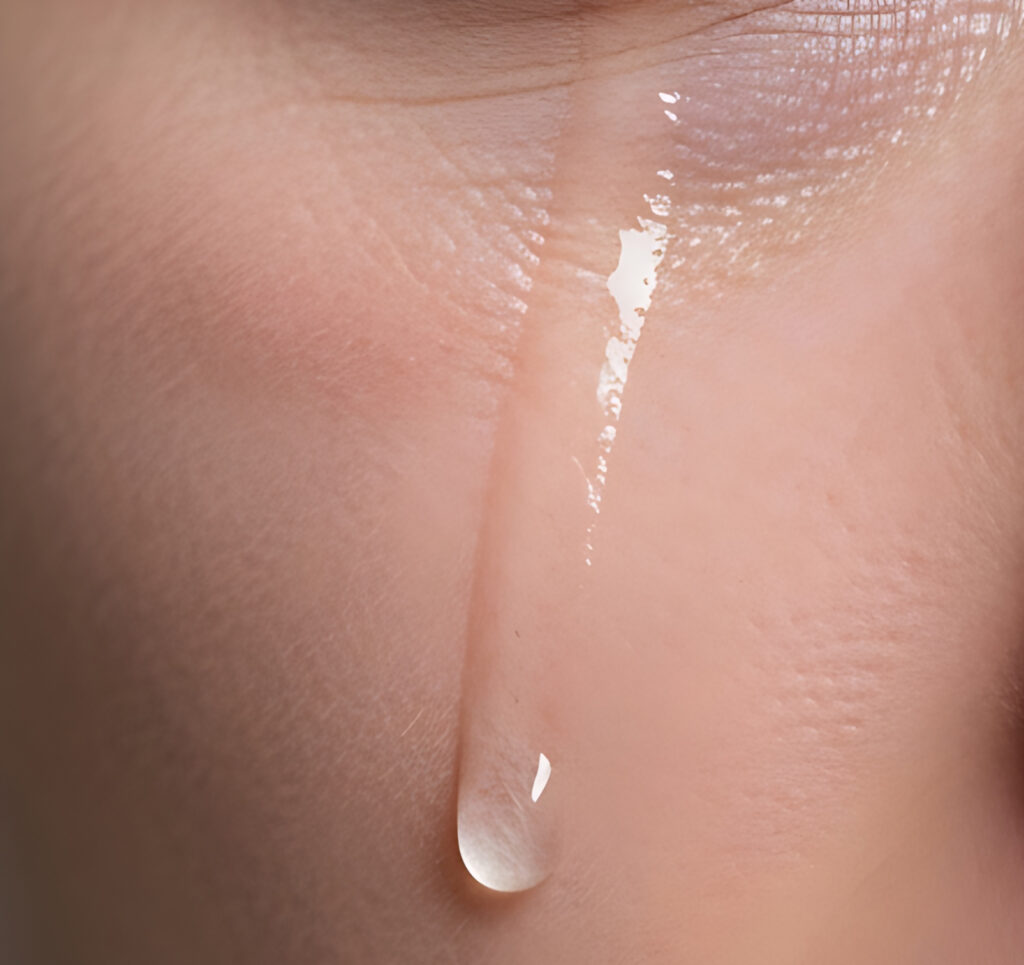
For most of my adult life I avoided sadness. I didn’t cry much and tried to stay positive, and when trouble did arise, I’d adopt a stoic attitude and set my feelings aside. While I didn’t believe the purpose of life was to be happy, I turned away from sadness until it was irrevocably thrust upon me. In retrospect, I now realize that I’ve missed much of what life has to offer.
Happiness and its pursuit are popular, if often elusive. From behavioral psychologists to His Holiness the Dalai Lama, the promotion of happiness enjoys widespread support. Its pursuit fuels multi-billion-dollar entertainment and advertising industries. In my case, happiness is easy to find; I’ve lived a privileged life and have been able to indulge myself in ways that bring me pleasure like cooking, gardening, writing and volunteering within our community. And being married to Norma for fifty years brought me great happiness, although long-term marriage often is not easy. In our case, my penchant to avoid sadness created difficulty between us.
For Norma, sadness was a door that opened a world of feelings; she was a major-league crier, and feelings were all important to her. Feelings, she knew, are the keys to intimacy, honesty and personal growth, aspects of living to which she devoted her personal and professional life. She taught me and our children to pay attention to our feelings, and to be able to talk about them. “Family conference!” she would unilaterally announce while we were raising our two daughters; the rest of us rolled our eyes, knowing that talking about our feelings was surely on the agenda. Over time, as hard as it often was, we all became accustomed to opening up about ourselves.
Up until the age of twelve, I often was unhappy. As a youngster, I cried often. My older brother abused me emotionally for reasons I’ve never fully understood, nor did he ever explain. In reaction, I blamed myself. Years of therapy largely helped me untangle that web, but my defenses against sadness remained. I cut myself off from a whole range of emotions, which unfortunately distanced me from those I loved. Not entirely, but I now can see its effect, and seeing it makes me sad.
Since Norma’s death, I’ve cried so often I’ve lost count. I’m making up for lost time. I’m not depressed, just feeling sad, and not just sad because after fifty years I am living alone, but because I now know that life itself embodies sadness. Death, of course, creates sadness, but I’m finding sadness all around me. It’s baked into being human, and when unacknowledged sadness gets deflected and sublimated into anger, sarcasm, self-pity, blame, humiliation, shame and much worse. The pursuit of happiness, it turns out, is a fool’s errand.
Don’t get me wrong. I love being alive and experiencing moments of joy every day. It requires no pursuit, just opening all my feelings to the world. Strangely, there is a sort of happiness in sadness that I never knew existed before, a tenderness and fondness for others and the world that was hidden behind my well-built emotional defense network. As crazy and problematic as the world is, a sweetness of being has emerged that constantly breaks my heart and generates tears. This is something Norma knew and devotedly tried to teach; ironically her death has been key to opening that door.
