Archive for April, 2010

Monday morning 10:04 AM

Thursday, April 29th, 2010
“Hello, this is Larry. Hi Mom, hold on, my other line is ringing.” “Hello, this is Larry. Hi Bill, hold on for a minute, my cell phone is ringing.” “ Hello, this is Larry. Oh hi, Amy, can you believe I’m talking on two other phone lines? Can I call you back? Oh, OK, then. I’m putting you on hold.”
“Mom, you still there? Hold on again just for a minute while I get another call finished. Sorry!” “Bill, what’s up? Hmmm, can I call you back and we’ll talk about it? Great. Call you soon.” “Amy? Hello? Hello? Damn!”
“Hi Mom. Yeah, I’m back. Wait…hold on somebody is calling me on Skype. Skype? It’s a video call. Yeah we can see each other…hold on Mom, really sorry.” “Hey Dan, looking good today! Nice shirt. Hold on, my mother is on the phone. Yes, my mother, she’s 88. Give me a minute. Thanks.”
“Mom…I’m back. Damn, there’s my cell phone again…I’m really, really sorry, hold on. Of course I want to speak with you Mom, just give me a minute, it’s crazy here.” “Hello? Oh, hi Amy. No I got back on and you were gone. No, I couldn’t hear you. You could hear me? Weird. Listen Amy, my Mom is still on the phone, can you make it fast? Oh, ok, I’m putting you on hold again. Keep your fingers crossed, I’ll only be a minute. Whoops, there goes Dan!”
“Hello, Mom? Mom? Oh, hi. Yeah, I’m getting hit from all directions. I don’t know if that means I’m popular Mom. Yeah, sure I have friends, but most of this is business. No, I know you are not business Mom. Crap! The other line is ringing. Can I call you back? Of course I have time to talk, I just need to call you back. Ok. Fine. Soon, Bye.”
“Hello, this is Larry. Hello? Hello? Yes, this is Mr. Barnett, how can I help you? What? Can you speak a bit slower, please? I can’t understand you. What? I said speak slower please. Hello? Hello? Aacck!…Goodbye.”
“Amy, you still there? Amy? Oh hi, sorry, can you believe yet another call came in? This is so crazy. It happens to you to? Why do you think calls come in at the same time? A call wave? What’s a call wave? Funny! So what’s up? No, Tuesday won’t work. Thursday? Let me look. Jeeze! Skype is ringing! Really, you want to hold? Ok.”
“Hey, Richard! Nice to see you. What time is it there? 2 AM? What are you doing online at 2AM? Really! You got to be kidding. Did you try calling him? Ahh, too early. Well, why are you calling me? Yeah, I like seeing you too. Really. Yes, I really do. Have you been drinking, Richard? Can you speak a bit slower? Damn, you’re getting pixilated. Hello? Richard? Hello?”
“Hi Amy, I just lost Richard on Skype. Yeah, it can be funky. Ok, we’re trying for what, Thursday? No the afternoon is jammed. I know. Yes, I know. Well, I…crap! No not you, the phone is ringing. I’m not going to answer. Yes I can see the number… cripes, it’s my Dad. I gotta take it, call you back. Yes, 90 years old. OK, bye.”
“Hello, this is Larry.”

“Hello, this is Larry. Hi Mom, hold on, my other line is ringing.” “Hello, this is Larry. Hi Bill, hold on for a minute, my cell phone is ringing.” “ Hello, this is Larry. Oh hi, Amy, can you believe I’m talking on two other phone lines? Can I call you back? Oh, OK, then. I’m putting you on hold.”

“Mom, you still there? Hold on again just for a minute while I get another call finished. Sorry!” “Bill, what’s up? Hmmm, can I call you back and we’ll talk about it? Great. Call you soon.” “Amy? Hello? Hello? Damn!”

“Hi Mom. Yeah, I’m back. Wait…hold on somebody is calling me on Skype. Skype? It’s a video call. Yeah we can see each other…hold on Mom, really sorry.” “Hey Dan, looking good today! Nice shirt. Hold on, my mother is on the phone. Yes, my mother, she’s 88. Give me a minute. Thanks.”

“Mom…I’m back. Damn, there’s my cell phone again…I’m really, really sorry, hold on. Of course I want to speak with you Mom, just give me a minute, it’s crazy here.” “Hello? Oh, hi Amy. No I got back on and you were gone. No, I couldn’t hear you. You could hear me? Weird. Listen Amy, my Mom is still on the phone, can you make it fast? Oh, ok, I’m putting you on hold again. Keep your fingers crossed, I’ll only be a minute. Whoops, there goes Dan!”

“Hello, Mom? Mom? Oh, hi. Yeah, I’m getting hit from all directions. I don’t know if that means I’m popular Mom. Yeah, sure I have friends, but most of this is business. No, I know you are not business Mom. Crap! The other line is ringing. Can I call you back? Of course I have time to talk, I just need to call you back. Ok. Fine. Soon, Bye.”

“Hello, this is Larry. Hello? Hello? Yes, this is Mr. Barnett, how can I help you? What? Can you speak a bit slower, please? I can’t understand you. What? I said speak slower please. Hello? Hello? Aacck!…Goodbye.”

“Amy, you still there? Amy? Oh hi, sorry, can you believe yet another call came in? This is so crazy. It happens to you to? Why do you think calls come in at the same time? A call wave? What’s a call wave? Funny! So what’s up? No, Tuesday won’t work. Thursday? Let me look. Jeeze! Skype is ringing! Really, you want to hold? Ok.”

“Hey, Richard! Nice to see you. What time is it there? 2 AM? What are you doing online at 2AM? Really! You got to be kidding. Did you try calling him? Ahh, too early. Well, why are you calling me? Yeah, I like seeing you too. Really. Yes, I really do. Have you been drinking, Richard? Can you speak a bit slower? Damn, you’re getting pixilated. Hello? Richard? Hello?”

“Hi Amy, I just lost Richard on Skype. Yeah, it can be funky. Ok, we’re trying for what, Thursday? No the afternoon is jammed. I know. Yes, I know. Well, I…crap! No not you, the phone is ringing. I’m not going to answer. Yes I can see the number… cripes, it’s my Dad. I gotta take it, call you back. Yes, 90 years old. OK, bye.”

“Hello, this is Larry.”

Health care in the cross-hairs of history

Thursday, April 22nd, 2010
The current spectacle of angry mobs fulminating against government by using degrading images and violent language to incite others has its echo in the past. Using the poor, disenfranchised and minorities as targets embedded in a protest against government is eerily familiar, harkening back to the 1920s and the National Socialist Party (Nazi) demonstrations in Germany. I wonder; if you or I used our Facebook pages to place cross-hairs on the faces of prominent political figures, as Sarah Palin has done, would we be arrested for making a threat to commit violence?
The world has seen this particular drama before, and it does not end well. Gun-toting reactionary forces of authoritarianism are once again asserting themselves in typically incendiary fashion, asserting false and inflammatory claims that mobilize the angry, scared and uninformed. In these difficult economic times, fear and anger are already plentiful. Though the seeming target is government, the actual target is America’s growing population of non-white, economically depressed, homosexual and non-citizen residents.
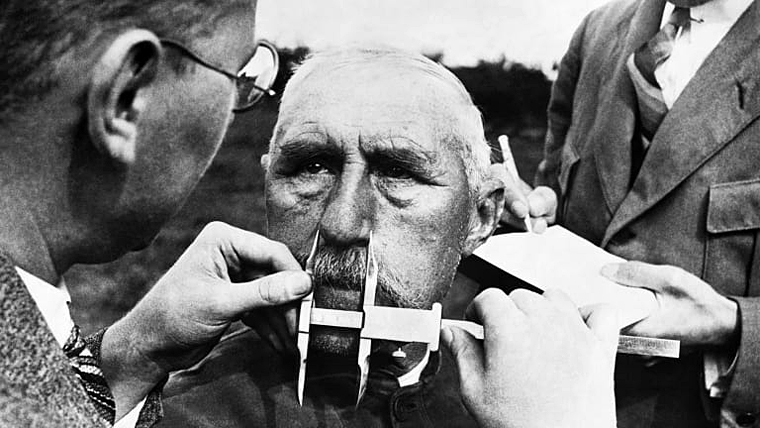
In 1920s Germany – society reeling from post-WWI inflation and the changes wrought by the increased democratic liberalism of the Weimar Republic – reactionary Nazi movements mobilized millions in support of identifying scapegoats to blame and punish. Jews, Gypsies, homosexuals and Bolsheviks were eventually targeted, but it is interesting to note that the first widespread implementation of Nazi cultural imperatives occurred within Germany’s health care system, through a eugenics program directed at the powerless.
Eugenics proposed that inferior racial, criminal, anti-social and hereditary medical problems could be selectively “bred” out of the human gene pool, resulting in a population of genetically pure people free from defect and therefore creating a better society. Eugenics elevated the “superior” white race above all others. Coincident with Germany’s fascist upheaval, eugenics also enjoyed widespread support in America. Oil tycoon John D. Rockefeller provided eugenics research with generous financial support, and the medical establishment in America and Germany were the beneficiaries of his largesse.
By 1930, the popularity of eugenics in the U.S. resulted in the institution of forced sterilization programs in nearly 30 American states, and tens of thousands of poor, black and variously handicapped Americans were involuntarily sterilized up until 1963. In Germany of 1933, recognized as having the world’s most modern health care, the Nazi government implemented forced sterilization of “the feeble, negroes, criminals, and the insane” after carefully observing the success and public acceptance of the sterilization program in America. Administered by doctors and nurses in both countries, eugenic sterilization was viewed as “cutting edge” health care for the future of an entire nation. In retrospect, of course, we can see that in Germany it provided a foundation for the genocide of those deemed by the Nazi’s as “parasites.”
Such inflammatory language is now popping up in our own current political sphere. The ultra-right-wing, with its ideological roots deeply set in America’s persistent racial intolerance, characterizes illegal immigrants and the ethnic poor as “parasitical,” feeding off the body of a host nation. Those of differing political persuasion are labeled with cross-hairs as “traitors,” “socialists,” and “liars.” With self-righteous moral fervor, an angry and violence-prone segment of the populace blames the powerless for their problems.
When we ask “how did the sophisticated German people allow Nazism to happen?” it might be timely to ask ourselves the same question.

The current spectacle of angry mobs fulminating against government by using degrading images and violent language to incite others has its echo in the past. Using the poor, disenfranchised and minorities as targets embedded in a protest against government is eerily familiar, harkening back to the 1920s and the National Socialist Party (Nazi) demonstrations in Germany.

I wonder; if you or I used our Facebook pages to place cross-hairs on the faces of prominent political figures, as Sarah Palin has done, would we be arrested for making a threat to commit violence?

The world has seen this particular drama before, and it does not end well. Gun-toting reactionary forces of authoritarianism are once again asserting themselves in typically incendiary fashion, asserting false and inflammatory claims that mobilize the angry, scared and uninformed. In these difficult economic times, fear and anger are already plentiful. Though the seeming target is government, the actual target is America’s growing population of non-white, economically depressed, homosexual and non-citizen residents.

In 1920s Germany – society reeling from post-WWI inflation and the changes wrought by the increased democratic liberalism of the Weimar Republic – reactionary Nazi movements mobilized millions in support of identifying scapegoats to blame and punish. Jews, Gypsies, homosexuals and Bolsheviks were eventually targeted, but it is interesting to note that the first widespread implementation of Nazi cultural imperatives occurred within Germany’s health care system, through a eugenics program directed at the powerless.

Eugenics proposed that inferior racial, criminal, anti-social and hereditary medical problems could be selectively “bred” out of the human gene pool, resulting in a population of genetically pure people free from defect and therefore creating a better society. Eugenics elevated the “superior” white race above all others. Coincident with Germany’s fascist upheaval, eugenics also enjoyed widespread support in America. Oil tycoon John D. Rockefeller provided eugenics research with generous financial support, and the medical establishment in America and Germany were the beneficiaries of his largesse.

By 1930, the popularity of eugenics in the U.S. resulted in the institution of forced sterilization programs in nearly 30 American states, and tens of thousands of poor, black and variously handicapped Americans were involuntarily sterilized up until 1963. In Germany of 1933, recognized as having the world’s most modern health care, the Nazi government implemented forced sterilization of “the feeble, negroes, criminals, and the insane” after carefully observing the success and public acceptance of the sterilization program in America. Administered by doctors and nurses in both countries, eugenic sterilization was viewed as “cutting edge” health care for the future of an entire nation. In retrospect, of course, we can see that in Germany it provided a foundation for the genocide of those deemed by the Nazi’s as “parasites.”

Such inflammatory language is now popping up in our own current political sphere. The ultra-right-wing, with its ideological roots deeply set in America’s persistent racial intolerance, characterizes illegal immigrants and the ethnic poor as “parasitical,” feeding off the body of a host nation. Those of differing political persuasion are labeled with cross-hairs as “traitors,” “socialists,” and “liars.” With self-righteous moral fervor, an angry and violence-prone segment of the populace blames the powerless for their problems.

When we ask “how did the sophisticated German people allow Nazism to happen?” it might be timely to ask ourselves the same question.

In the hot tub in the rain

Thursday, April 15th, 2010
If there is a heaven, and many believe there is, it has a hot tub. Three hundred years ago there were perhaps ten or twenty people in the entire world, kings and queens all, who at any hour day or night could lower themselves into a piping hot tub of clean water. Those hot tubs of old required the constant toil of others – to find, cut and haul wood, stoke and tend fires, gather and move heated stones, draw and carry fresh water. In great jewel-encrusted golden tubs the royals of antiquity soaked away their worries and relaxed, while their soaking habit mobilized an entire economy of workers. Just think of it: today an average guy like me with a hot tub can live life like a king.
This year spring has been particularly wet and watery, a liquid luxury after several years of drought. I can sense the bamboo shoots lurking just below the soil’s surface, their root rhizomes fat with sugary sap and poised to soar skyward at six inches a day. The succulents that have survived in the wet winter ground are plump with water, some looking more like green toads than plants. Japanese maples are leafing out quickly, several weeks earlier than last year. Moss and lichen form a soft green shawl draped heavily around the arms and branches of our huge Black Walnut. As days lengthen, the garden is quickly coming to life.
On Friday when it rained I stopped working for a while, left my desk, made my way downstairs and outside to the garden, removed my clothes and sank slowly into our hot tub. Submerged up to my neck in 102 degree water, warmly protected from the chilly elements, the heavy rain drops on my head felt cool and soothing. “I’m completely wet,” I thought, “I can’t get any wetter.” I tipped my head back against the side of the tub and let the steady rain plainly strike my face and open mouth. Rainwater, in case you’ve never tried it, tastes sweet. The tall wind-whipped Eucalyptus trees sighed loudly and swayed broadly as if beckoning a great force, the bamboo hissed and bowed deeply. Suddenly, there was a massive downpour. For a moment heaven and earth were fully joined by water, and then almost as fast, the rain moved on across the valley floor.
Opening my eyes, I pushed myself upright, and sat facing east. I could see the rain gaining distance quickly, a gray mist sweeping in dark swaying curtains over the Mayacamas mountains. Behind me, the thick clouds suddenly broke open and brilliant golden sunlight sliced into the garden and filled the sky above. For a fleeting moment, a vibrant rainbow all-at-once appeared, curving majestically across the darkness above the mountains to the east. Then the sunlight disappeared behind the thick clouds, the wind resumed and once again it began to pour.
I slipped back down into the soothing water, buoyant and almost floating, cradled like a baby in his mother’s womb. I closed my eyes and totally relaxed. Suddenly the perfection of all and everything was clear, not a single rain drop out of place, every leaf, every cloud, every moment just as it is, absolutely perfect and complete.
There is, you see, a heaven after all.

If there is a heaven, and many believe there is, it has a hot tub. Three hundred years ago there were perhaps ten or twenty people in the entire world, kings and queens all, who at any hour day or night could lower themselves into a piping hot tub of clean water. Those hot tubs of old required the constant toil of others – to find, cut and haul wood, stoke and tend fires, gather and move heated stones, draw and carry fresh water. In great jewel-encrusted golden tubs the royals of antiquity soaked away their worries and relaxed, while their soaking habit mobilized an entire economy of workers. Just think of it: today an average guy like me with a hot tub can live life like a king.

This year spring has been particularly wet and watery, a liquid luxury after several years of drought. I can sense the bamboo shoots lurking just below the soil’s surface, their root rhizomes fat with sugary sap and poised to soar skyward at six inches a day. The succulents that have survived in the wet winter ground are plump with water, some looking more like green toads than plants. Japanese maples are leafing out quickly, several weeks earlier than last year. Moss and lichen form a soft green shawl draped heavily around the arms and branches of our huge Black Walnut. As days lengthen, the garden is quickly coming to life.

On Friday when it rained I stopped working for a while, left my desk, made my way downstairs and outside to the garden, removed my clothes and sank slowly into our hot tub. Submerged up to my neck in 102 degree water, warmly protected from the chilly elements, the heavy rain drops on my head felt cool and soothing. “I’m completely wet,” I thought, “I can’t get any wetter.” I tipped my head back against the side of the tub and let the steady rain plainly strike my face and open mouth. Rainwater, in case you’ve never tried it, tastes sweet. The tall wind-whipped Eucalyptus trees sighed loudly and swayed broadly as if beckoning a great force, the bamboo hissed and bowed deeply. Suddenly, there was a massive downpour. For a moment heaven and earth were fully joined by water, and then almost as fast, the rain moved on across the valley floor.

Opening my eyes, I pushed myself upright, and sat facing east. I could see the rain gaining distance quickly, a gray mist sweeping in dark swaying curtains over the Mayacamas mountains. Behind me, the thick clouds suddenly broke open and brilliant golden sunlight sliced into the garden and filled the sky above. For a fleeting moment, a vibrant rainbow all-at-once appeared, curving majestically across the darkness above the mountains to the east. Then the sunlight disappeared behind the thick clouds, the wind resumed and once again it began to pour.

I slipped back down into the soothing water, buoyant and almost floating, cradled like a baby in his mother’s womb. I settled in and totally relaxed. Suddenly the perfection of all and everything was clear, not a single rain drop out of place, every leaf, every cloud, every moment just as it is, absolutely perfect and complete.

There is, you see, a heaven after all.

The Gubenator

Sunday, April 11th, 2010
With the Tea Party, congressional gridlock and 2010 midterm elections looming, taking a look at our political language provides some interesting insights. The word “govern” itself – derived from the Latin “gubernare” and earlier Greek “kybernan” – originally meant “to steer a ship” and later came to mean “direct or rule.” Not surprising then is the metaphor of America’s ship of state, which at the moment anyway, seems to be veering off course.
With the 1550s the word “politic,” originally from the Latin “politicus,” meaning “citizen of the state,” came into use. We are amused by the emergence of “politician” or “politico” as a derogatory term around 1630; it seems those who govern are forever “scorned,” a word from the Old French “escarn” itself derived from “escorner” meaning to “break off horns” or treat with contempt.
Thus it is a “leader,” from “laedan,” Old English meaning “to guide,” today generates not confidence but distrust, a word built from “dis” meaning “lack of” and “trust” derived from the Old Norse “traust” meaning “confidence.” Leaders today are too often viewed as “con men,” a term originating from 1849 and based upon the way money is handed over by victims to those who intend to rob them. The present public sentiments seem to be strongly anti-incumbent, an interesting development given the root meaning of “incumbent” from 1410 – “holder of a church position.” It appears nothing is sacred in politics today, particularly the senate.
Derived from the Latin “senatus” meaning the “council of elders,” the designation senator also has its roots in “senex” or “old man” which is the root of, dare I say it, “senile.” Senility aside, politics world-wide is a male-dominated phenomenon, and in large part involves the domination of women. “Women” is a designation of gender which comes to us from Old English. Accordingly, it is no surprise that “women” itself is a linguistic alteration of “wifmen” from which “wife” arises. The root “wif” is attributed by some to Pre-Germanic language use of “wiban” which itself may be related to Pre-Indo-European roots meaning “to wrap,” as in veiled. Given the recent disclosures of marital infidelity among some politicians, keeping secrets in wrap it not so easy accomplished these days.
In any event, these guys in office – “guy” incidentally, originated around the 1830s and meant “a poorly clothed person,” a reference to Guy Fawkes who in 1605 attempted to blow up the English Parliament – enjoy ready public disdain … there is the “dis” again, combined with “dain,” from Old French “deignier” meaning to “treat as worthy” which is itself related to Latin roots through “dignus” meaning “worthy,” having lost all dignity and decorum. “Decorum” can trace its history back to the Pre-Indo-European base root “dek,” meaning “to be suitable.”
Court attendants of the 1300s were also suitable, and the roots of “suit” again attest to our observance of political patriarchy. Originally associated with outfits for the livery, the word “suit” is from the original Latin “sequi” meaning “to attend.” Curiously, the word “dress” began with Latin as well, “directus” designating things as “direct or straight.” Only later was “dress” applied to women’s clothing, particularly as adornment, around 1630. The spectacle of the “trophy wife” adorning the arms of today’s powerful “suit” bespeaks to the history of language.
This brings us full circle back to president, chief, and boss. Of all these, “boss” tells the tale best, harkening back to 1300 Old French “boce” meaning “buton, protuberance, hump or swelling.” The “boss” is one of power, decorated with all sorts of buttons, real and imaginary, and “bossy,” not surprisingly, means “domineering.” Some think “boss” is more correctly derived from “baas,” a Dutch word meaning “master.” “Baas” seems to have been adopted as the title of the captain of a ship. Ah yes, the ship of state, and our all too many captains; it makes perfect sense!

With the emerging Tea Party, congressional gridlock and 2010 midterm elections looming, a look at our political language provides some interesting insights. The word “govern” itself – derived from the Latin “gubernare” and earlier Greek “kybernan” – originally meant “to steer a ship” and later came to mean “direct or rule.” Not surprising then is the metaphor of America’s ship of state, which at the moment anyway, seems to be veering off course.

With the 1550s the word “politic,” originally from the Latin “politicus,” meaning “citizen of the state,” came into use. We are amused by the emergence of “politician” or “politico” as a derogatory term around 1630; it seems those who govern are forever “scorned,” a word from the Old French “escarn” itself derived from “escorner” meaning to “break off horns” or treat with contempt.

Thus it is a “leader,” from “laedan,” Old English meaning “to guide,” today generates not confidence but distrust, a word built from “dis” meaning “lack of” and “trust” derived from the Old Norse “traust” meaning “confidence.” Leaders today are too often viewed as “con men,” a term originating from 1849 and based upon the way money is handed over by victims to those who intend to rob them. The present public sentiments seem to be strongly anti-incumbent, an interesting development given the root meaning of “incumbent” from 1410 – “holder of a church position.” It appears nothing is sacred in politics today, particularly the senate.

Derived from the Latin “senatus” meaning the “council of elders,” the designation senator also has its roots in “senex” or “old man” which is the root of, dare I say it, “senile.” Senility aside, politics world-wide is a male-dominated phenomenon, and in large part involves the domination of women. “Women” is a designation of gender which comes to us from Old English. Accordingly, it is no surprise that “women” itself is a linguistic alteration of “wifmen” from which “wife” arises. The root “wif” is attributed by some to Pre-Germanic language use of “wiban” which itself may be related to Pre-Indo-European roots meaning “to wrap,” as in veiled. Given the recent disclosures of marital infidelity among some politicians, keeping secrets in wrap it not so easy accomplished these days.

In any event, these guys in office – “guy” incidentally, originated around the 1830s and meant “a poorly clothed person,” a reference to Guy Fawkes who in 1605 attempted to blow up the English Parliament – enjoy ready public disdain … there is the “dis” again, combined with “dain,” from Old French “deignier” meaning to “treat as worthy” which is itself related to Latin roots through “dignus” meaning “worthy,” having lost all dignity and decorum. “Decorum” can trace its history back to the Pre-Indo-European base root “dek,” meaning “to be suitable.”

Court attendants of the 1300s were also suitable, and the roots of “suit” again attest to our observance of political patriarchy. Originally associated with outfits for the livery, the word “suit” is from the original Latin “sequi” meaning “to attend.” Curiously, the word “dress” began with Latin as well, “directus” designating things as “direct or straight.” Only later was “dress” applied to women’s clothing, particularly as adornment, around 1630. The spectacle of the “trophy wife” adorning the arms of today’s powerful “suit” bespeaks to the history of language.

This brings us full circle back to president, chief, and boss. Of all these, “boss” tells the tale best, harkening back to 1300 Old French “boce” meaning “button, protuberance, hump or swelling.” The “boss” is one of power, decorated with all sorts of buttons, real and imaginary, and “bossy,” not surprisingly, means “domineering.” Some think “boss” is more correctly derived from “baas,” a Dutch word meaning “master.” “Baas” seems to have been adopted as the title of the captain of a ship. Ah yes, the ship of state, and our all too many captains; it makes perfect sense!

From theiscollection.com

America’s new economic demographic

Thursday, April 8th, 2010
The financial demographic of America was displayed to me recently through the juxtaposition of two illuminated scrolling posters displayed on the side of a Plexiglas transit shelter on East 72nd Street in New York City.
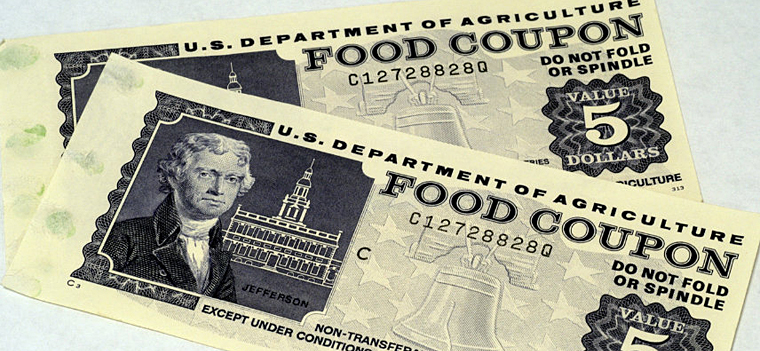
One poster promoted Charles Schwab, the “Talk to Chuck” stock brokerage and investment company. Clearly aimed at people with plenty of money to invest, the poster pitched well-heeled citizens who want see the value of their portfolios grow. The other poster, which scrolled into view every few minutes in alternation with the Schwab poster, addressed an entirely different demographic and advertised the value, availability and benefit of government issued food stamps. Two minutes later, it was back to Chuck, then two minutes after that, Food Stamps, and so it goes, 24 hours a day.
The two target markets addressed on those rotating posters represent a basic economic demographic in today’s America, the “haves” and the “have-nots.” The haves enjoy the benefits of an economic system that rewards the wealthy with a variety of wealth-building methodologies. The have-nots, meanwhile, must avail themselves of food-stamps and the services of “pay-day” loan operations that charge usurious loan fees guaranteed to leave the have-nots wanting. A third demographic, what we used to call the American “middle class,” has apparently become irrelevant from a marketing perspective.
Our income tax system, originally conceived as a way to prevent a severe imbalance in income distribution, has lost much of its progressive basis of graduated tax rates, and increasing legislative attention is now paid to the idea of creating a consumption-based user sales tax. Using this approach, the poor and low-income citizens ultimately will pay a far greater percentage of their household income in taxes than will the wealthy.
Lurking not far below our bifurcated demographic are deeply embedded cultural and political forms plus popular opinions that have historically denigrated the poor while simultaneously elevating the rich. Until 1910, only documented property owners were able to vote in U.S. Senate elections. Poll taxes (a fee assessed when arriving to vote) were customarily employed to insure that only those with money could participate in elections, and this practice continued into the 1960’s until outlawed in a court decision. Vagrancy laws which made the lack of readily available money an actual crime subjected the poor to arrest and were once commonplace across America. Today, the poor and homeless are regularly denied a decent and secure place to sleep.
Our dominant social narratives continue to reinforce history. The poor are regularly referred to as “lazy, shiftless, dishonest, dirty and uneducated.” They are accused of “spreading disease, taking drugs, reducing property values, increasing crime, and raising the cost of government.” Reviled as “bums, leeches and free-loaders looking for a handout” they become easy targets for criminals and law-enforcement alike.
The haves, on the other hand are declared “clever, creative, resourceful, ambitious and deserving.” Called “leaders, visionaries, entrepreneurs, self-made, brilliant and successful” their wealth makes them the objects of adoration, attention, and celebrity. Are the wealthy actually a better type of human being; does wealth confer virtue or decency; is poverty immoral and are the have-nots bad people? Clearly not. Wealth itself does not determine matters of happiness or success any more than poverty insures depression or failure.
So by what measure should we judge others? Perhaps we should “Talk to Chuck.”

The financial demographic of America was displayed to me recently through the juxtaposition of two illuminated scrolling posters displayed on the side of a Plexiglas transit shelter on East 72nd Street in New York City.

One poster promoted Charles Schwab, the “Talk to Chuck” stock brokerage and investment company. Clearly aimed at people with plenty of money to invest, the poster pitched well-heeled citizens who want see the value of their portfolios grow. The other poster, which scrolled into view every few minutes in alternation with the Schwab poster, addressed an entirely different demographic and advertised the value, availability and benefit of government issued food stamps. Two minutes later, it was back to Chuck, then two minutes after that, Food Stamps, and so it goes, 24 hours a day.

The two target markets addressed on those rotating posters represent a basic economic demographic in today’s America, the “haves” and the “have-nots.” The haves enjoy the benefits of an economic system that rewards the wealthy with a variety of wealth-building methodologies. The have-nots, meanwhile, must avail themselves of food-stamps and the services of “pay-day” loan operations that charge usurious loan fees guaranteed to leave the have-nots wanting. A third demographic, what we used to call the American “middle class,” has apparently become irrelevant from a marketing perspective.

Our income tax system, originally conceived as a way to prevent a severe imbalance in income distribution, has lost much of its progressive basis of graduated tax rates, and increasing legislative attention is now paid to the idea of creating a consumption-based user sales tax. Using this approach, the poor and low-income citizens ultimately will pay a far greater percentage of their household income in taxes than will the wealthy.

Lurking not far below our bifurcated demographic are deeply embedded cultural and political forms plus popular opinions that have historically denigrated the poor while simultaneously elevating the rich. Until 1910, only documented property owners were able to vote in U.S. Senate elections. Poll taxes (a fee assessed when arriving to vote) were customarily employed to insure that only those with money could participate in elections, and this practice continued into the 1960’s until outlawed in a court decision. Vagrancy laws which made the lack of readily available money an actual crime subjected the poor to arrest and were once commonplace across America. Today, the poor and homeless are regularly denied a decent and secure place to sleep.

Our dominant social narratives continue to reinforce history. The poor are regularly referred to as “lazy, shiftless, dishonest, dirty and uneducated.” They are accused of “spreading disease, taking drugs, reducing property values, increasing crime, and raising the cost of government.” Reviled as “bums, leeches and free-loaders looking for a handout” they become easy targets for criminals and law-enforcement alike.

The haves, on the other hand are declared “clever, creative, resourceful, ambitious and deserving.” Called “leaders, visionaries, entrepreneurs, self-made, brilliant and successful” their wealth makes them the objects of adoration, attention, and celebrity. Are the wealthy actually a better type of human being; does wealth confer virtue or decency; is poverty immoral and are the have-nots bad people? Clearly not. Wealth itself does not determine matters of happiness or success any more than poverty insures depression or failure.

So by what measure should we judge others? Perhaps we should “Talk to Chuck.”