Archive for the ‘Ecology & Environment’ Category

Goin’ Nukular

Friday, December 12th, 2008

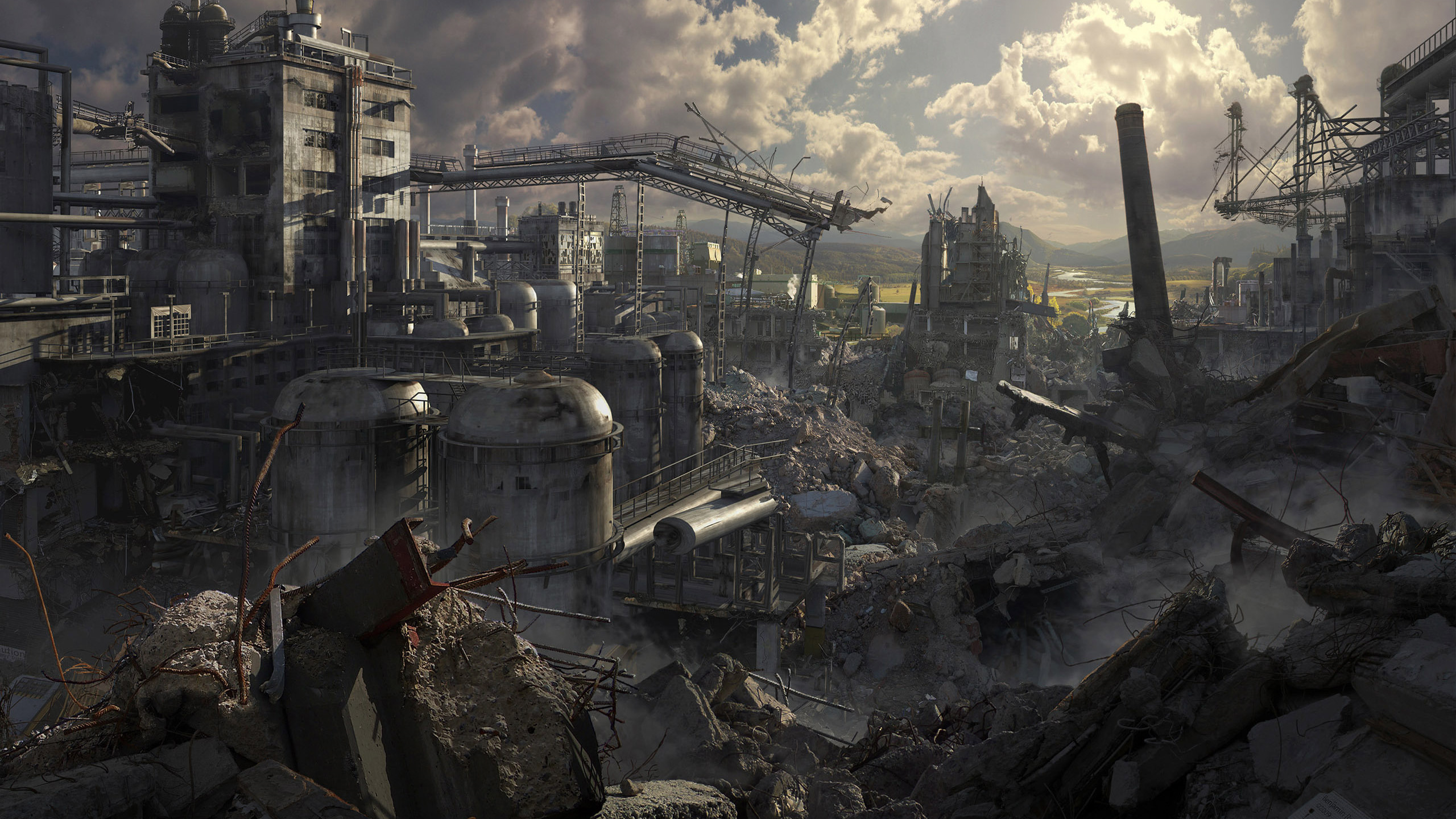
As America’s energy crisis has accelerated, the subject of nuclear power has reemerged. Three Mile Island and the Chernobyl nuclear power plant disaster have receded into history and an entire generation has no memory of these two near catastrophic events. Nuclear power plant construction is regaining support within both political parties. The use of nuclear power in Europe and other parts of the world is used as reassurance that this form of energy production is safe, reliable and non-polluting; this in spite of the toxicity of some of the most dangerous substances in the history of mankind.

Plutonium isotopes (the stuff of nuclear weapons), are a common by-product of nuclear power reactors, as are many other toxic radioactive isotopes. The half-life of plutonium-239 is 24,000 years, which means that in that amount of time, half of the radioactive plutonium concerned would remain. In another 24,000 years, half of that remaining amount would remain, and so forth. In other words, it takes over 200,000 years for plutonium-239 to become fully non-radioactive. Plutonium-242 has a half-life of 376,000 years.The toxicity of plutonium is enormous. If inhaled into the body, it remains in the lung, liver, bone and bone marrow tissue, where it generates cancerous mutations. Inhalation of as little as a few milligrams is inevitably fatal. Moreover, plutonium is a fissile material, which means it can be used to create a nuclear fission explosion. In the hands of people intent upon making a weapon, it constitutes a major threat to life, and an explosion used to incite terror would likely ignite dire unforeseen circumstances.

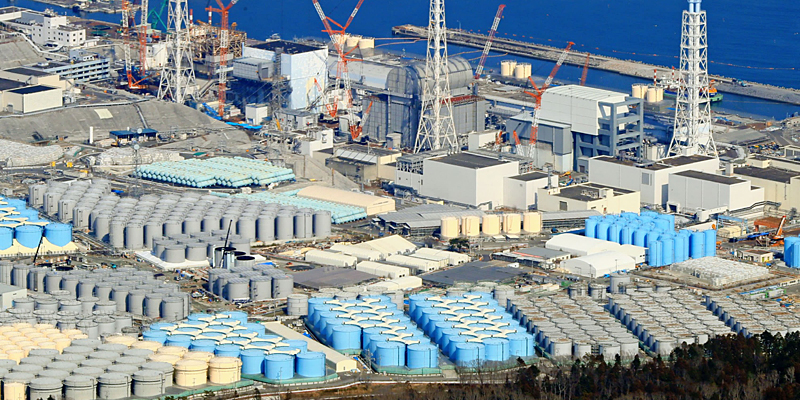
At present, the storage and security of fissile materials like plutonium is unresolved. Most “spent” reactor-grade radioactive materials are stored in deep pools of water at the nuclear power stations themselves. Their movement by rail or truck is so controversial and dangerous that protocols for their safe transport and storage remain undeveloped.

A recent EPA report indicates that any nuclear storage facility must be able to provide a secure and inviolable repository for one million years. This, of course, is well beyond our proven capability as a culture, as is, frankly, only 24,000 years or even 1,000. To place these numbers in perspective, keep in mind that no known human language on earth is older than 7,000 years, and most ancient languages no longer are spoken or understood. To assume that any language spoken today will exist in 24,000 years is farfetched. To assume that the danger of any human enterprise can be properly communicated in one million years is nonsensical. Even if transport and storage solutions are developed, there is no possible way to insure that future civilizations will understand what we have done, and the terrible dangers associated with it. This is what is called a semiotic problem; that is, how to communicate danger to an unknown culture with its own symbolic and linguistic conventions. It is also a moral problem, because without such a methodology, we place future inhabitants of this planet at terrible risk.

Archeologists in the past and present have relentlessly excavated and unearthed tombs and artifacts of earlier cultures. Archeologists of the future will undoubtedly do the same. Producing penetrable depositories of deadly substances therefore constitutes a moral failing of the highest order, and accordingly, “goin’ nukular” should be shelved forever.
Drawing on Greatness

Sunday, November 30th, 2008

grandfather_bw.jpg

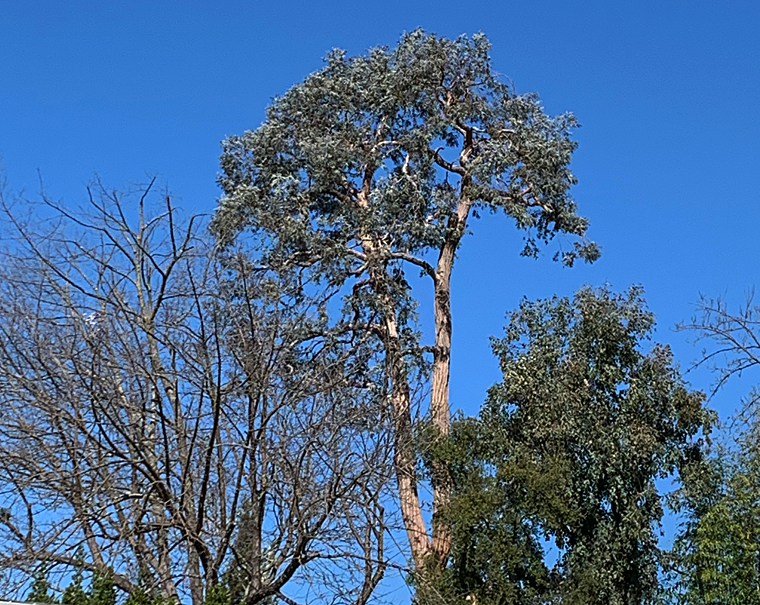
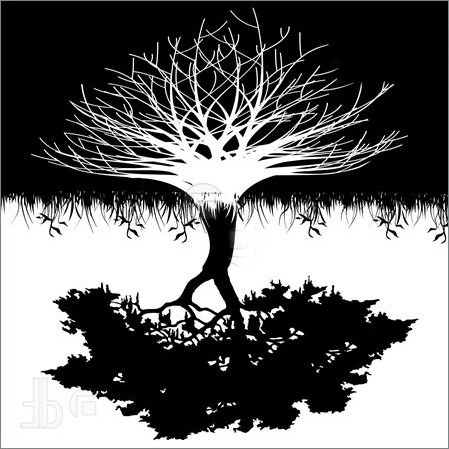
The plant kingdom predates animals by millions of years, and trees are ancient masters of survival, the oldest among them estimated at 6,000 years. Without trees human beings never would have survived. What appears to us as our mastery the plant kingdom is more likely the opposite. Just ask an ear of corn.

In great trees we witness the union of heaven and earth. Embodying qualities of both firmness and flexibility, they reveal the secret of longevity, as well as balance and grace. If misfortune strikes – wind snapping limb or trunk – the strongest of trees transform secondary growth to primary. Despite their twisted form such trees demonstrate life’s indomitable spirit, inspiration to those among us who succumb to depression and blame.

This is why I am drawn to trees and why I like to draw them. While outwardly it may seem that one tree is like another, no two trees are exactly alike. To draw a tree properly requires understanding its nature; looking deeply to see what is really going on. The south side compared with the north; the personality of the branch tips, young bark and old.

Great trees have presence. It’s something we can feel. Occasionally, one captures that in a drawing; homage to an ancient being that has struggled and survived. Sometimes, I am that lucky, and when I am like to share it with others.

Feeling Green with Envy?

Friday, May 2nd, 2008

When I first joined the Sierra Club in 1975 I fully understood that being labeled an “environmentalist” was not too far from being labeled an “anarchist.” This was, after all, in the era when “tree-hugger” was not a compliment, and many thought that recycling was about riding used bicycles. Despite the considerable impacts of Rachel Carson and John Muir, the environment and things ecological were not main-stream, and those of us who gravitated to honoring and protecting Mother Earth were often classified as little more than whacked-out hippies.

There was a certain noble pride in being viewed as an outsider. Like Don Quixote dueling windmills, (dreaming the “impossible dream” as Broadway envisioned the Man of La Mancha) it felt good to be on the side of nature fighting the good fight against an implacable foe. As the maw of 20th century industry continued to grind and mine the earth, clear cut forests, spew pollutants into the air and dump uncountable tons of chemical waste into rivers and oceans, we environmentalists remained a feisty group, working and agitating for new legislation and regulation, with only limited success.

Called extremists in the press and marginalized by politicians, we satisfied ourselves with small victories, while at the same time holding our green flag high. New ideas, it seems, almost always arise at the extremes, the creative edge of culture where risks are taken and deep inquiries are made. It is rarely at the center that radical ideas are formed, just as the Apple computer began in Steve Wozniak’s garage and not at IBM. Many ideas that begin at the extremes fail and disappear, and this is the nature of inhabiting that uncertain space. However, other ideas at the edge are intrinsically good, true and beautiful, gradually seep towards the center and over time fully establish their legitimacy and acceptance. Such is the nature of environmentalism.

Today, industry is falling all over itself to appeal to the environmental aspirations of America. This occurred in Europe many years earlier, and it has taken a while for corporate America to catch up and get onboard, but onboard they are climbing. Chevron has spent millions to reposition its image as a “People Energy” company doing right by nature. Costco, Wal-Mart and Safeway are now the largest retailers of organic food. From clothing companies to deodorant makers, being identified with positive environmental values has taken center stage.

There are those environmentalists who are confused and suspicious about all this, and not without reason. Manipulation of public opinion through labeling and other marketing gimmicks is common. Yet, overall, this trend represents a significant victory of ideas that the environmental movement has always wanted, and ironically now that it has happened some have difficulty accepting it. Certainly, many problems still exist; regulation and policy are still grievously inadequate to meet the ecological difficulties we face. But it is a victory, nonetheless, and if it is to deepen, the environmental movement needs to accept its new membership without resentment. Politicians of all stripes have joined the cause, and this too should be seen as a great advance for society, rather than a mere tussle for power or influence.

When it comes to environmentalism a truth is revealed: Ideas do not become great – they are born that way.

If Animals Could Talk

Friday, February 22nd, 2008

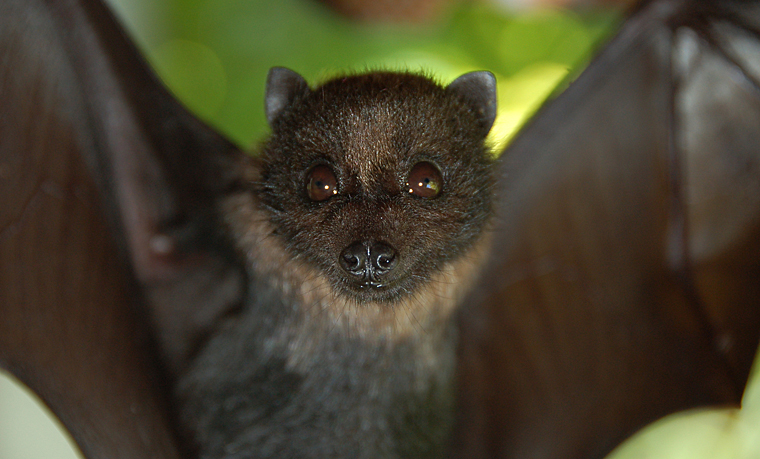
I recently noted the passing of Washoe, the 42 year-old chimpanzee that became a pioneer in human-chimpanzee communication. Washoe was taught to use human sign language and the manipulation of symbols to communicate, and researchers claim Washoe was able to construct complex sentences and engage in abstract thought. She also, like Amelda Marcos, reportedly developed a fetish for shoes.

Animal communication, of course, does not require language, but simply vocalizations, body postures, expressions, and gestures. From mating displays to signs of dominance or submission, communication in the animal world enables survival and adaptation. For as long as humans and animals have coexisted, a unique form of cross-species bonding has occurred. Dogs, horses, cats, monkeys and many other animals form meaningful relationships with people, and traces of this history are widespread within our culture. Automobiles named “Mustang,” “Jaguar,” “Ram,” and “Cheetah,” are but a few of the names we use in acknowledgement of this heritage.

For those of us who have had a pet, the emotional connection that is formed feels natural and shared. Despite the intellectual and behavioral differences, there are many qualities in common between us and our animal friends, not the least of which are a sense of companionship, dependency, protectiveness and playfulness. To imagine that these emotional components in animals occur in isolation from deeper mental constructs is absurd. Animals are subject to strong habitual patterns and instinctual drives, but these need not be viewed as entirely replacing some thoughtfulness.

The human capacity for “recursive” thought has long been considered that which distinguishes human beings from other animals. Recursive thought is that which connects a series of “if/then” concepts, each built upon the concept that precedes it while at the same time retaining the links between. Such lengthy abstract recursive streams of logic can be extended in an almost infinite direction. It seems that sign language has revealed the capacity for recursive thought in other animals. It is worth considering, however, whether we are helping animals by providing them new methods of human-like communication, or simply satisfying our own scientific curiosity while causing such animal subjects great confusion.

Like Washoe, Koko the Gorilla demonstrates a complex and intriguing personality, filled with the expressions of tenderness, humor and even irony. She communicates in sign language about the softness of a kitten, and her own feelings of loneliness. Separated from natural relationships with others of her kind, she is a perennial child among humans, treated kindly, but always apart. And having been provided a complex language to communicate with people, Koko also communicates her neurosis. In Koko’s case, she has developed a persistent fetish about nakedness and nipples. Unclothed herself, it is no surprise that she is fascinated by our removable coverings. This development underscored a lawsuit filed by a female employee who felt pressured by Koko’s keepers to undress for Koko. We certainly can’t blame Koko for this man-made legal and psychological mess and I am not saying that Koko needs the help of a Gorilla psychiatrist, but what responsibility do we have now that Koko can communicate in human terms?

In any event, as to the ageless question, “If animals could talk, what would they say?”- in Koko’s case the simple answer seems to be, “Take off your clothes.”

Me, Mine, Thee and Thine

Monday, December 31st, 2007

When you think about it, private property, the ownership of the earth itself, is a rather ridiculous idea. An artifact of culture buttressed by social compacts, laws, and precedent, the idea of land ownership is a mere 10,000 years old. Paleolithic hunter-gatherer culture was supplanted by fixed agriculture during the Neolithic period, and this shift was accompanied by the establishment of permanent settlements or cities. With these cities, patriarchal society, the idea of private property, armies and collective self-defense arose; hence the moat, the castle and the ever-widening sphere of physical dominion over land and others.

In North America, the spread of indigenous populations occurred over a 40,000 year period. While Native Americans certainly were territorial, the sanctity of the land was central to their spiritual beliefs, and the concept of land ownership by individuals never was established. Moreover, as enormous animal herds roamed the wilds and prairies, birds migrated and fish traveled upstream to spawn, they were free to move without restriction or constraint. Despite nearly 20,000 years of continuous and wide-spread human habitation, the North American environment remained essentially unspoiled, and the Europeans who later came to this land were stunned by its extraordinary natural abundance, beauty and pristine character.

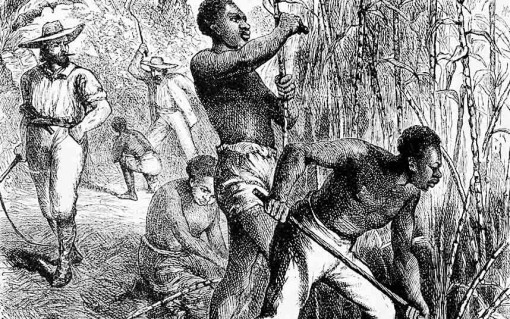
Of course, the Europeans brought their social and cultural values with them, and among those was the concept of private property. This land was variously claimed for ownership by one European power or another in the name of God and Country. Ultimately, America became a place where a citizen could own land; first white men of power, then later on other races, and finally, women. Land ownership is now so tightly woven into the fabric of our culture that it is all but impossible to imagine an alternative.

The concept of land ownership is quite provocative, however. Since ownership conveys rights, people have been largely free to do as they wished with what they owned.  Accordingly, most forests have been cut, innumerable rivers polluted, the air dirtied, and animal populations destroyed. Viewed as natural “resources,” the blessings of this land and the land itself have been thoroughly exploited. We know that our ownership of land is temporary, and we want to make the most of it. That most often has meant and means making lots of money.  It is not that people are inherently greedy; it’s just that we can be terribly shortsighted.

Notably, we also tend to view ourselves as the owners of our bodies, ignoring the fact that like the earth itself, we are entirely composed of ancient galactic material that has been recycled continuously since the beginning of the universe. Since we think we own our bodies, we treat them like our other possessions, sometimes well, and sometimes not. In the end, of course, we will give our bodies back, right down to the last atom. In that ultimate sense, we are beggars and borrowers, all.

We humans play but a tiny part in the long history of this planet, a mere blink of an eye in geologic time. It is our outsize egos that make us feel otherwise, and it is our egos that make us think that we own the land. When natural disaster strikes, like Hurricane Katrina, the Tsunami of 2004, or an enormous earthquake, Mother Earth reminds us just exactly who owns what.